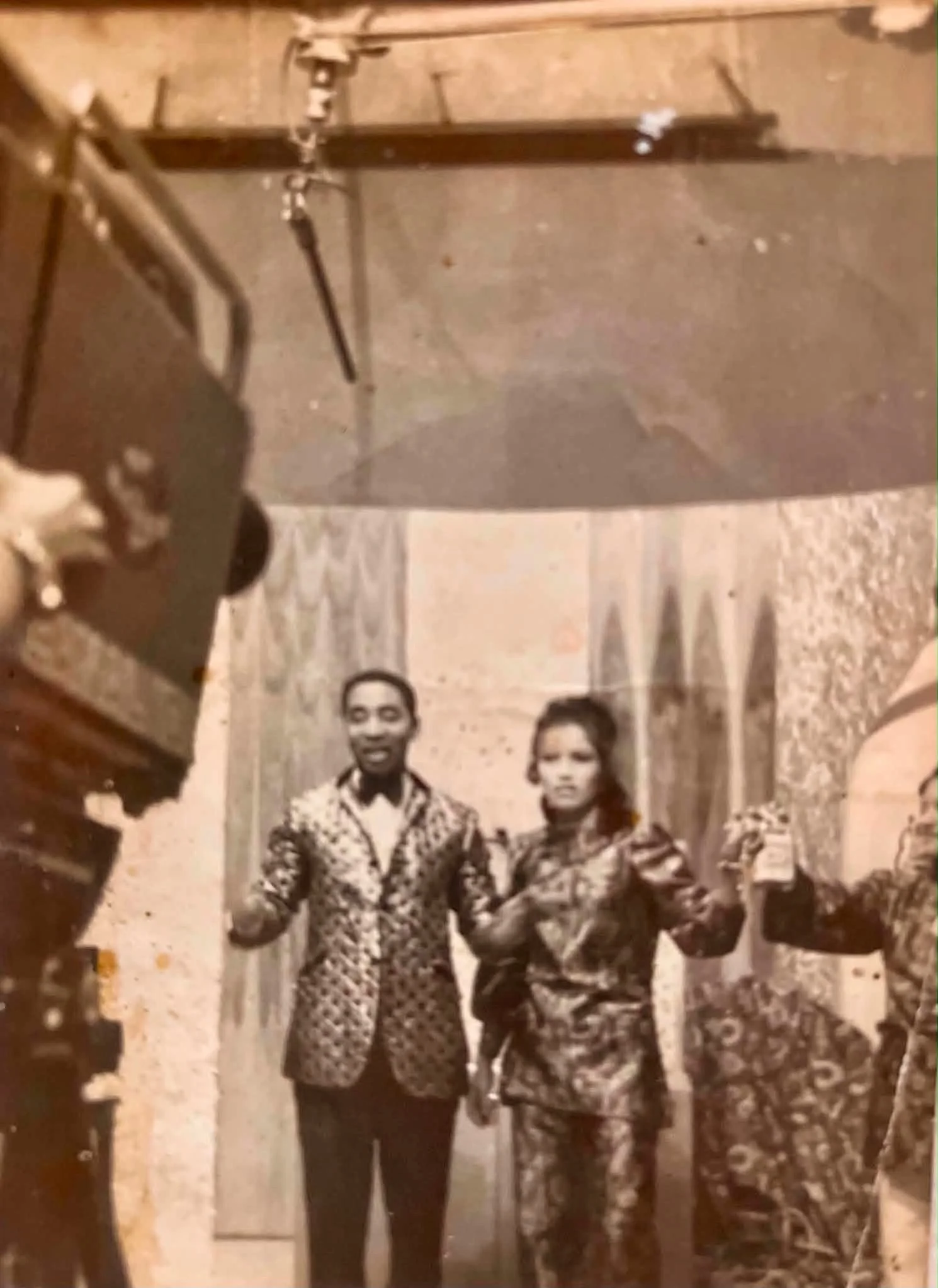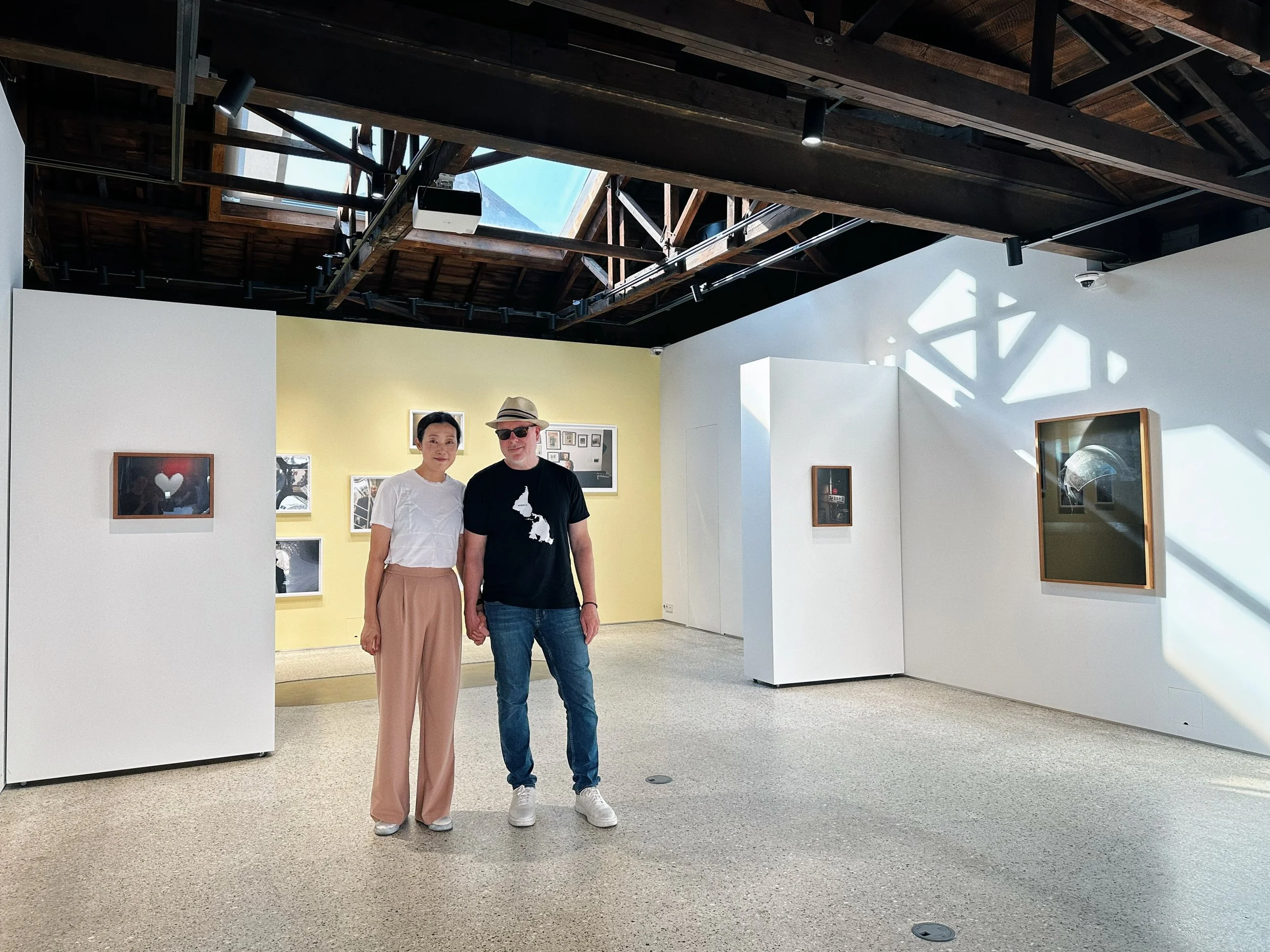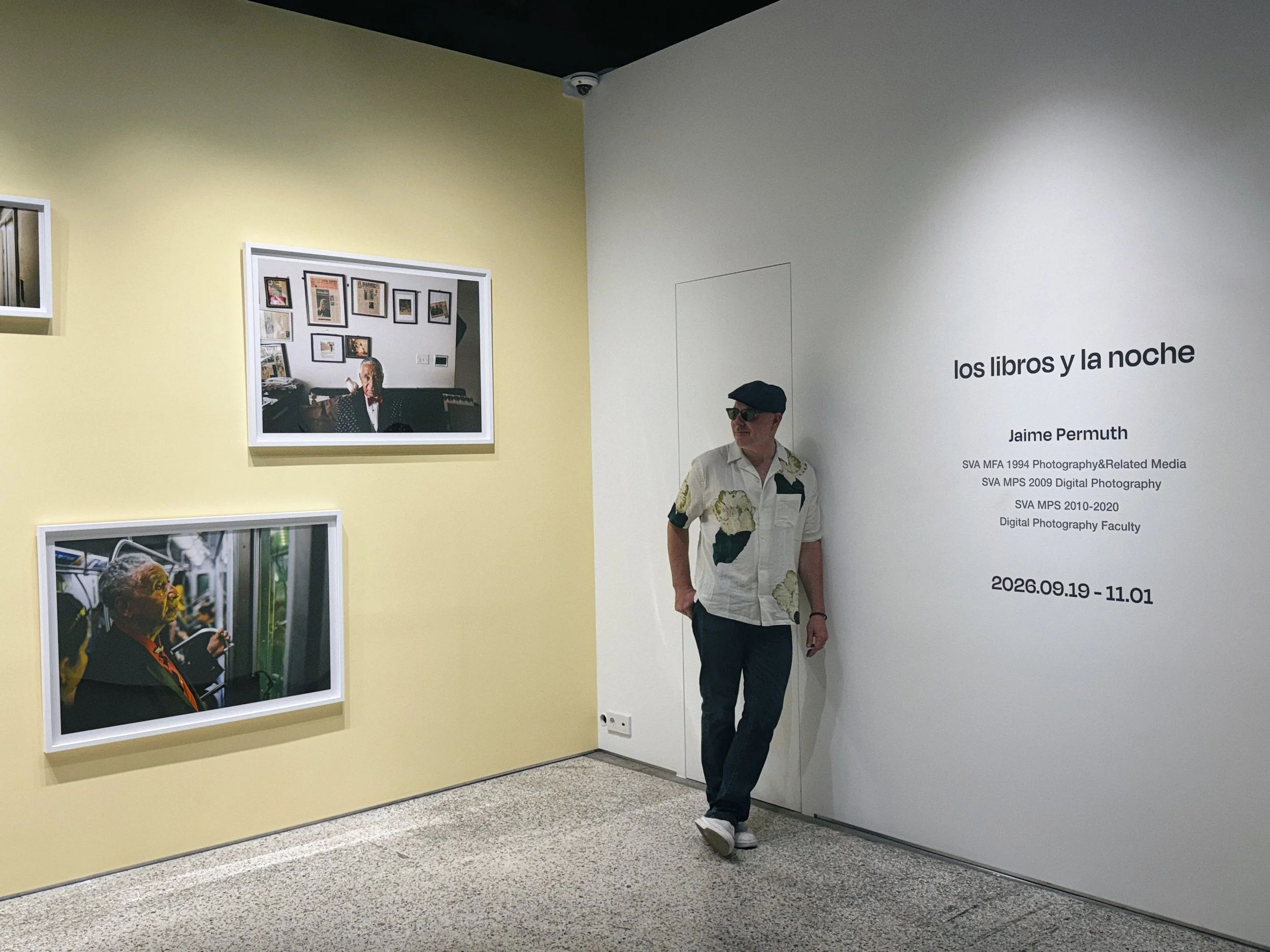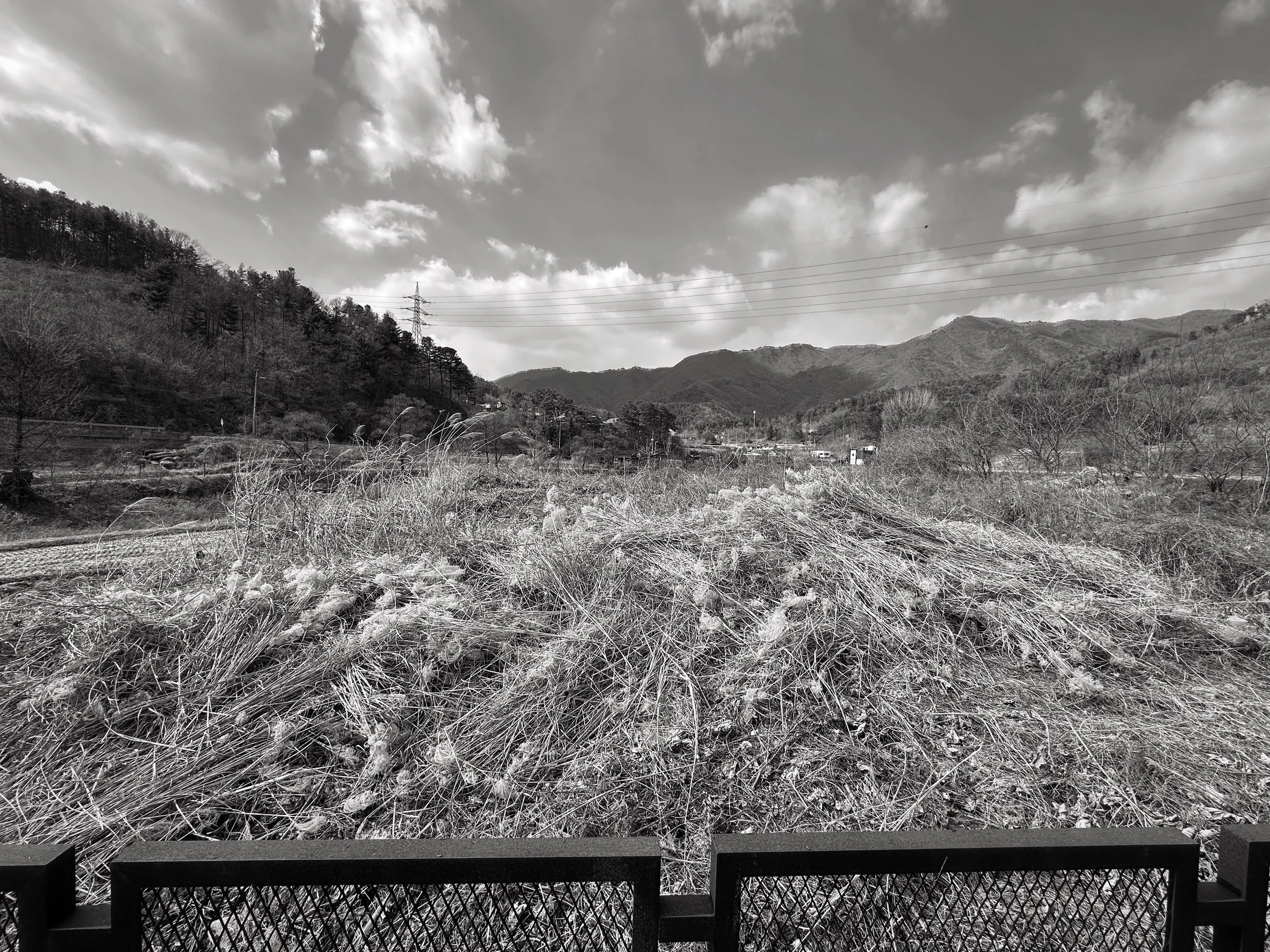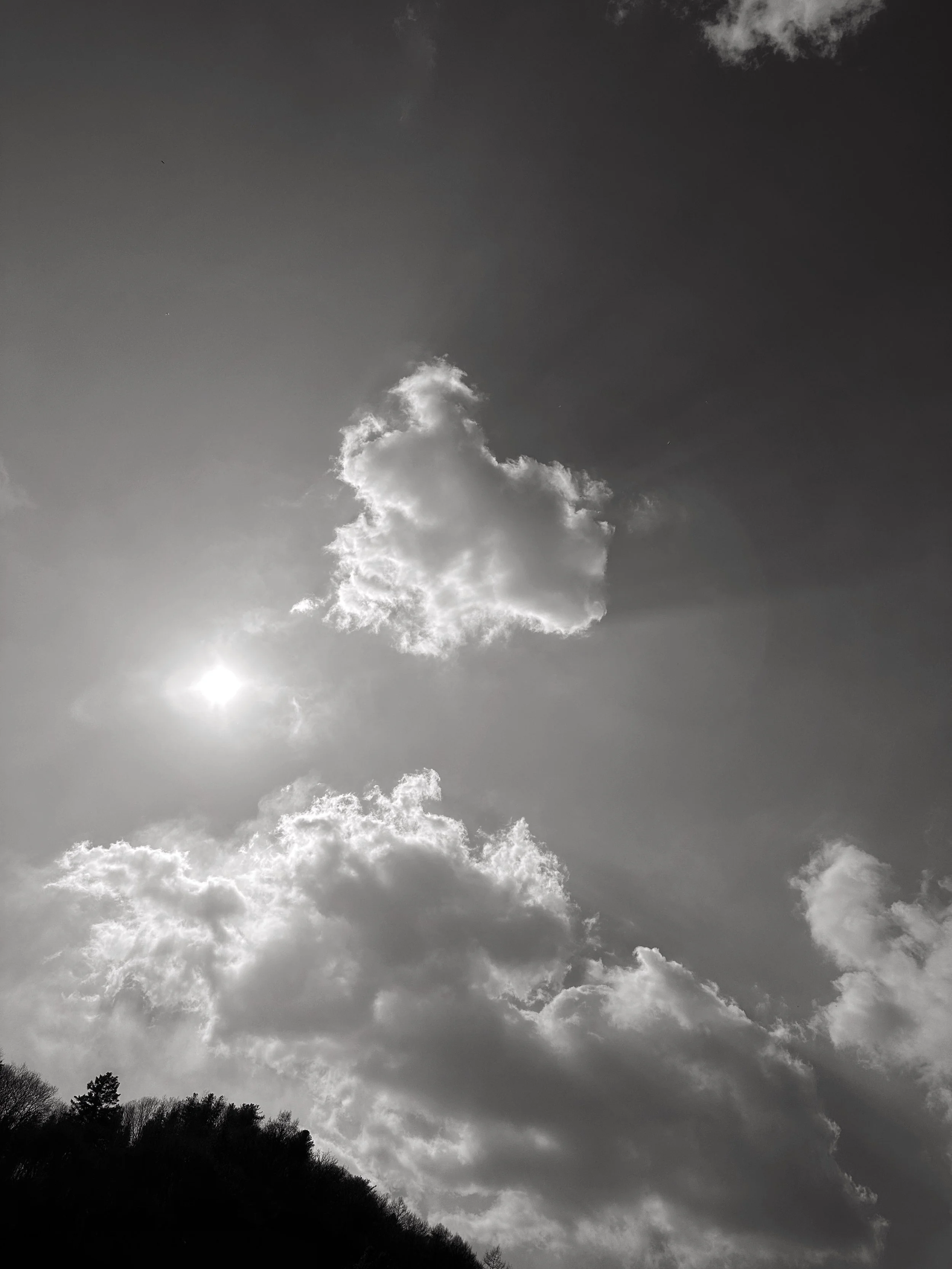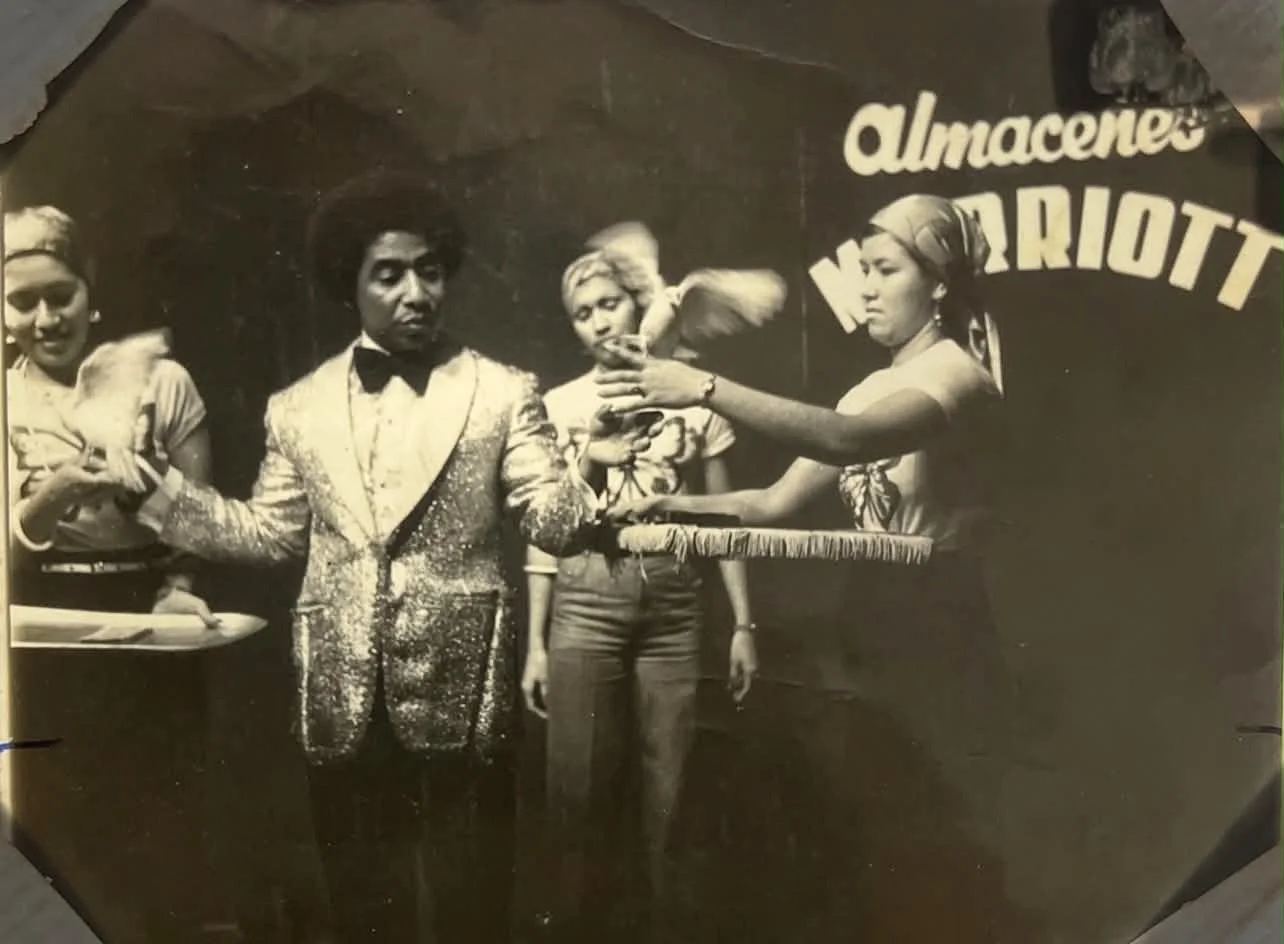
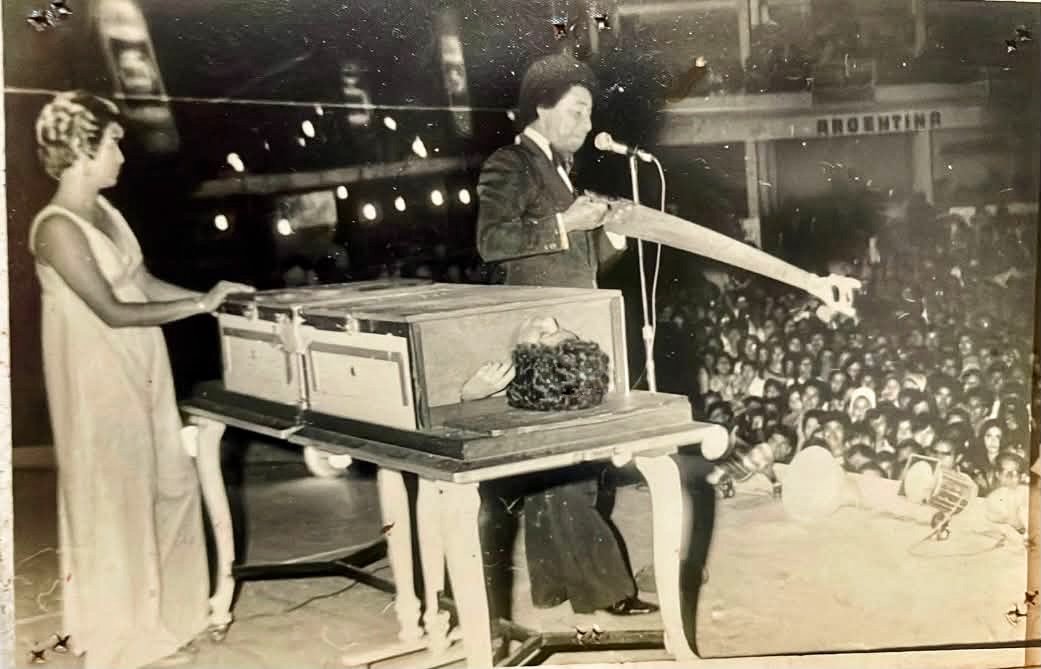
Con lágrimas en los ojos y el corazón destrozado me entero de tu fallecimiento, Muriel, amiga y colega de tantos años. Verte fué siempre sonreir. Y admiré - y seguiré admirando - la tenacidad y ternura con que tu espíritu buscaba reconciliar lo irreconciliable en nuestra humanidad. Nos queda el legado de tu bellísima y profunda obra. Gracias por tanto Muriel.
Sweden of the mind
Last night I dreamt of a man who had my build and features but lived on the rugged coast of Sweden. He enjoyed nothing better than taking long walks on the shore, in a battered army jacket. A tin of Dutch cigars, a pocket knife, and book of poetry nestled in its ample pockets. He walked with a hand carved wooden staff, even though he didn’t really need it. A dog followed close by, everywhere he went.
Like me the man was a photographer and a member of a small artist collective.
Unlike me, he was a life-long bachelor, although it was rumored he had fathered children to different women in several Scandinavian cities.
The town folk called him Melmud.
Today, when I woke up, I tried to say good morning to my family in Swedish. Strangely enough, all I could manage was to say it in English ~
Artist Book
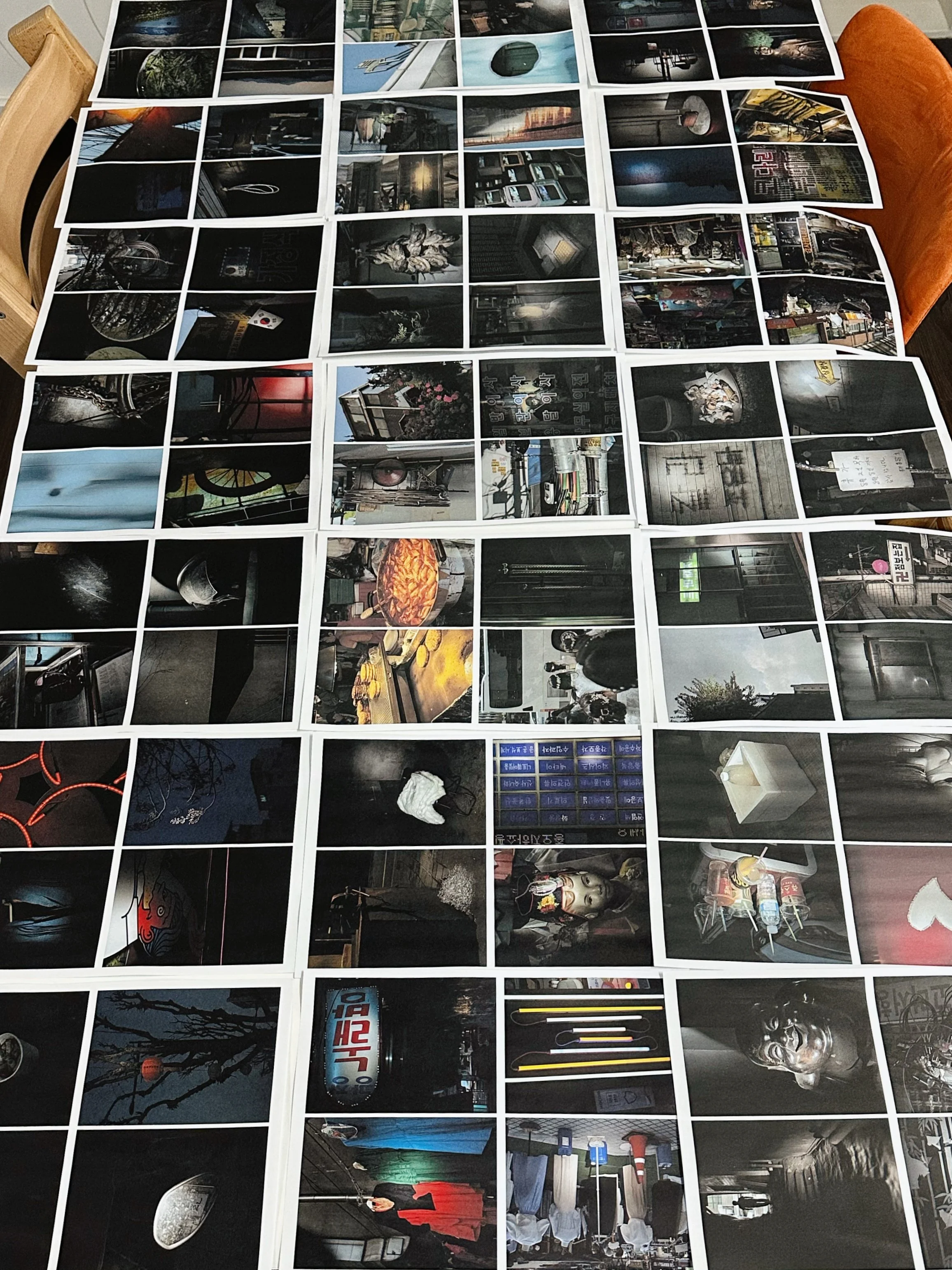
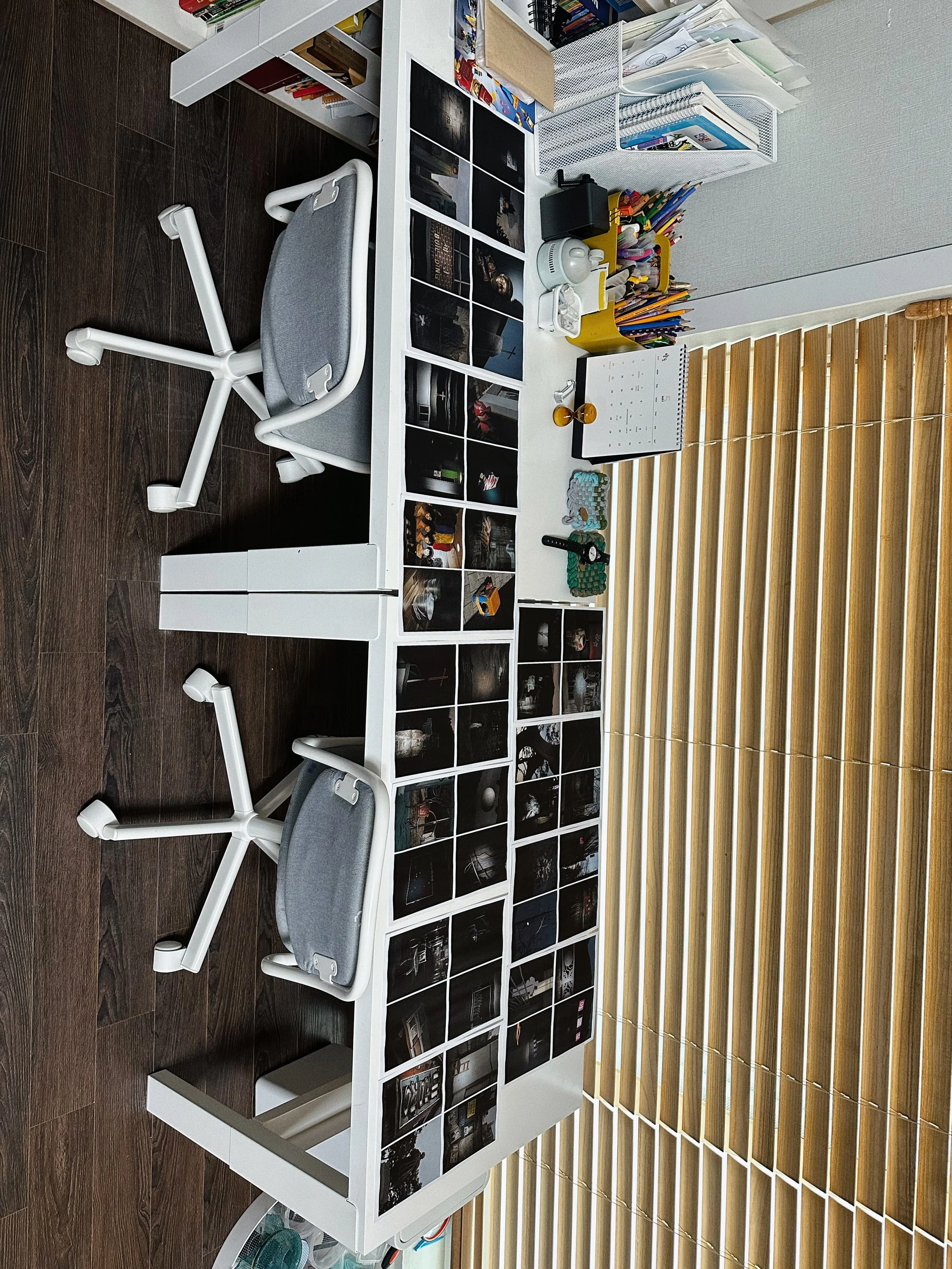
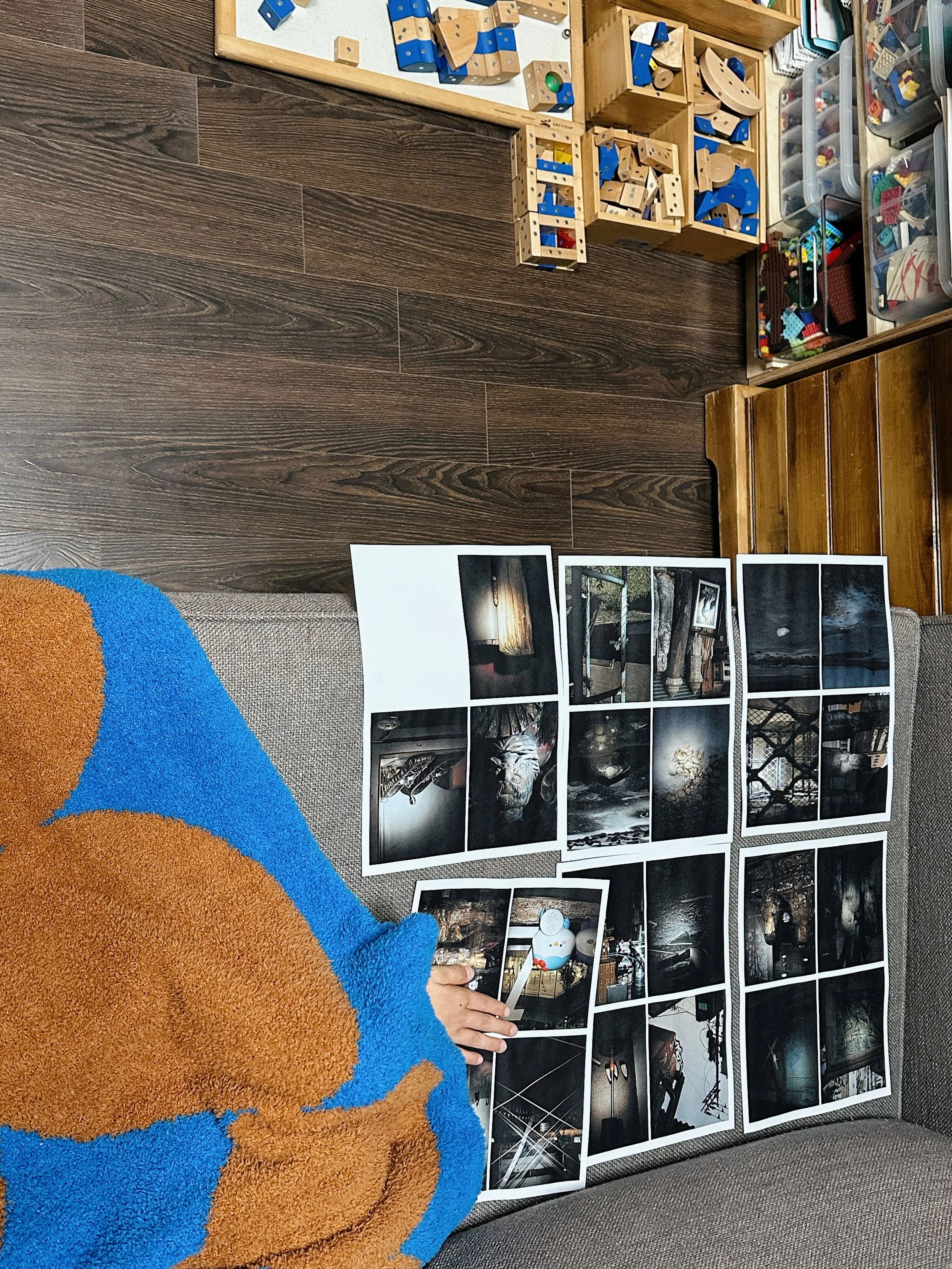
Up at 5AM making quick contact sheets of 155 photos I am considering for the BLINDNESS Artist Book I am working on.
Every flat surface in the living room and kitchen covered with ink drying on paper.
My assistant showed up around 7AM but not exactly ready for work ~
Seminar
After graduating high school in Guatemala, I attended Hebrew University in Jerusalem, on a scholarship. My parents, like so many other Jewish parents, wished college would be my passport to a solid profession and a meaningful and comfortable life. With their approval, I chose Psychology as my major.
I spent the first year studying Hebrew and my second year attending Psychology lectures, which were entirely in that language. Hebrew U had a dual major system. I chose English Literature as my second major, partly because of the ease of studying in a language in which I was truly proficient.
As it turned out, the experience of Literature studies completely altered my sense of self and my understanding of the essence of the human condition. Particularly, the intimacy of small seminars, where six or seven adults would sit together and pore over a text for hours on end.
By the time I graduated, I knew that I wanted to work in the arts, as a photographer. All of my parents’ carefully laid plans and all of their expectations for me were upended.
It took them many years to accept my decision.
***
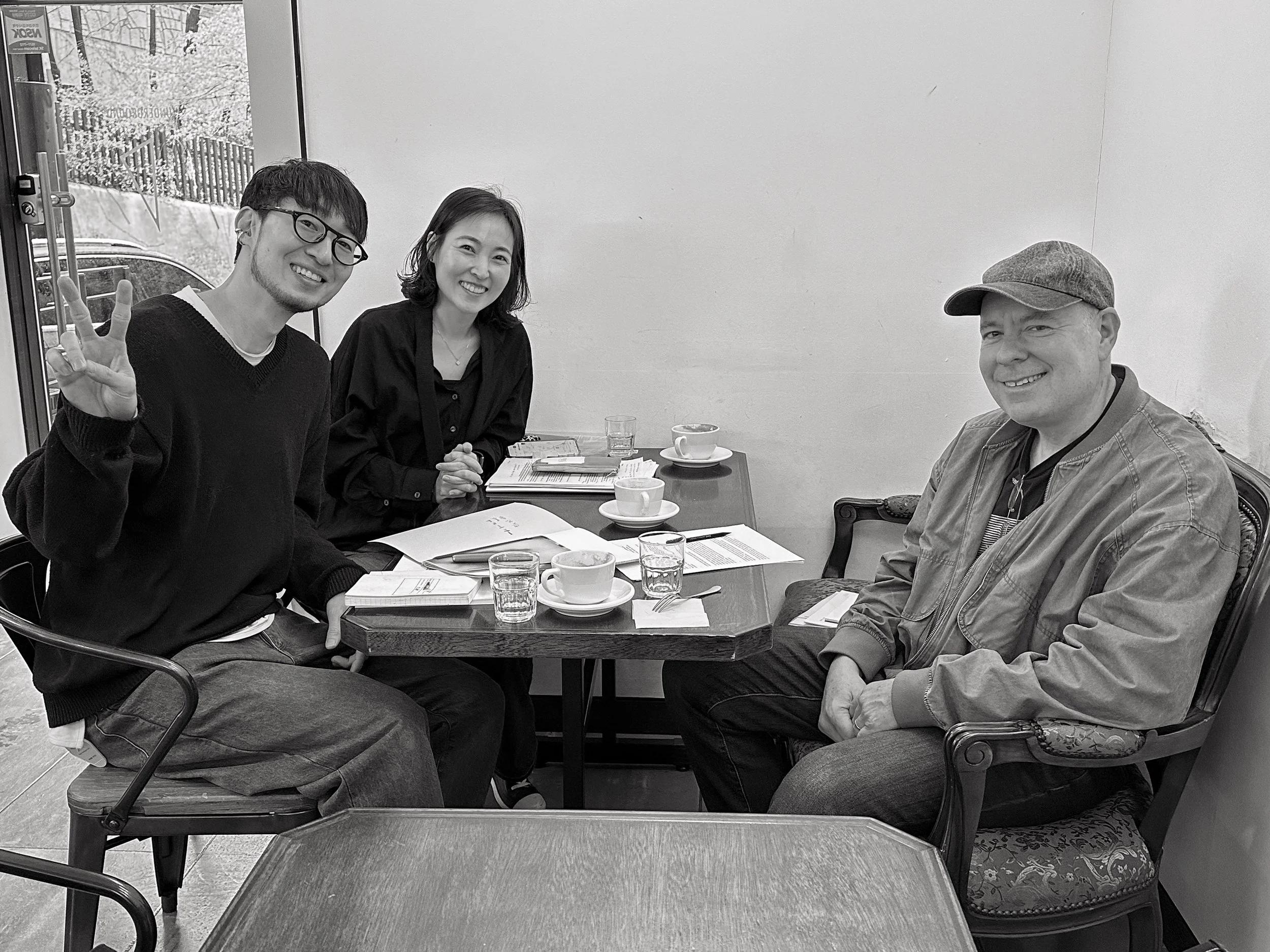
Yesterday, I had the opportunity to sit with two supremely talented writers, Nare Lim and Hwon Lee, to help me prepare an essay for publication. I felt honored and deeply humbled. I was also tremendously inspired and encouraged by our conversation. I left with a greater sense of clarity and direction for how to refine my first draft.
The experience also brought back a flood of memories of my younger days in Jerusalem, losing myself to the intoxication of literature.
The great divide
The first thing that parenthood teaches you is selflessness. Nothing comes before the needs of a newborn. But as my babies learn to walk and eat on their own, as toddlers playfully grow into boys who spend most of their day at school, I begin to journey back into my own early memories.
My childhood is so very distant in time and place: Guatemala, in the 1970s, torn apart by civil war. Growing up, I studied martial arts for self-defense and I learnt how to shoot all kinds of guns, perfecting my marksmanship on weekends.
I was good at holding my liquor long before I was out of my teens.
Books, bicycles and cameras were my favorite companions.
I was a Jew in a majority Catholic country.
***
Luca and Olin were born in New York and are being raised in Korea.
Most days, I feel like a hopeless outsider here; I wonder how I can even begin to guide my kids in a cultural landscape so different than my own.
How deeply can parents really penetrate the inner workings of their children’s selves?
Can they truly grasp the trials and tribulations of their young hearts, their hopes and fears?
***
It’s a beautiful spring evening, perfect for a slow walk home. But my mind is troubled, restless and uneasy as I make my way there.
What can the long-ago Guatemalan boy say to the twin boys about growing up? Will his experiences feel relevant, hold value and make sense to them?
What will happen when Olin and Luca reach that point of no-return, the digital divide, and encounter the endless stream of the world through a screen?
What will AI whisper in their ears? How far away will they drift from us?
How long can us, their parents - who grew up with rotary phones - possibly hold that day off?
***
It seems like today I have no answers, only questions.
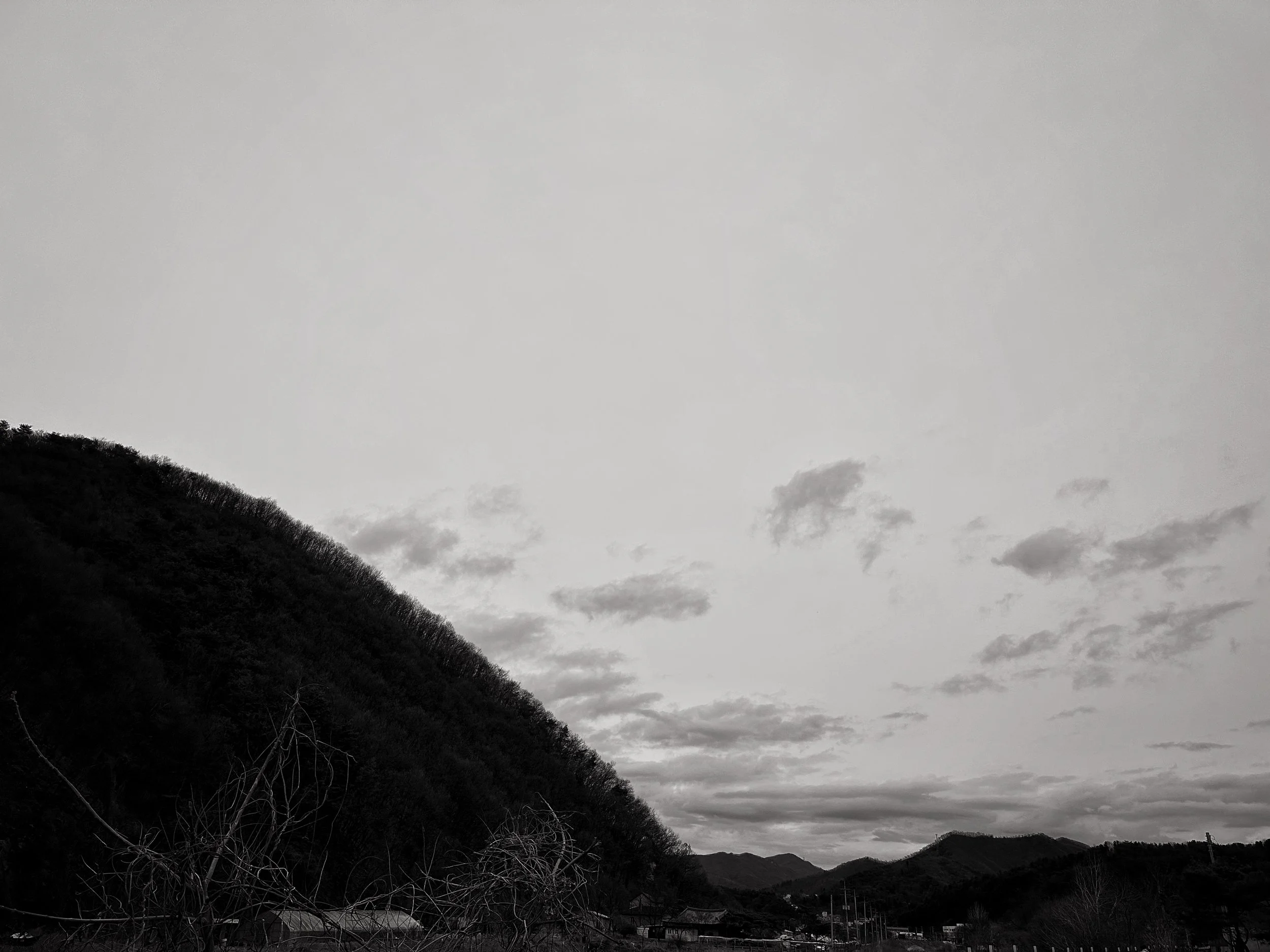
But the dimming light over the mountains has finally had a calming effect; the crisp, country air is bracing too.
Unseen Book Fair at Nederlands Fotomuseum
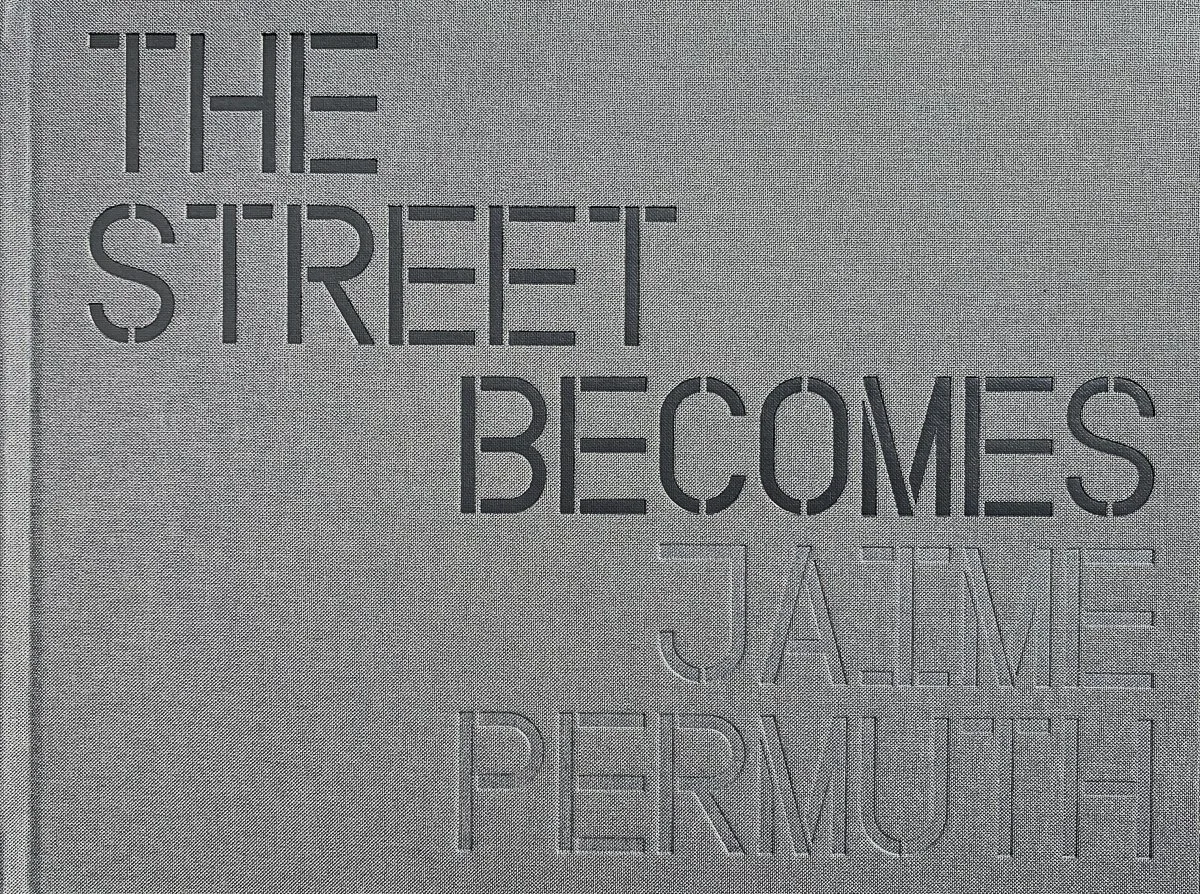
In 2021, my monograph The Street Becomes was published by Meteoro Editions in Amsterdam.
The book explores the changing character of the urban street in times of war and peace.
The Street Becomes is entirely based on archival images by other photographers. One part of the images comes from the private archives of local Washington DC photographers who documented the Latino Festival during the 70s and 80s. The second part comes from the US Marine Corps archives and documents the American military occupation of Central America and the Caribbean in the early 20th Century. My artistic intervention and repurposing of these source images suggests new meanings for the street and examines the kind of contests that are predicated on overtaking and controlling public spaces.
To put it bluntly, I’ve lost track of how many wars have overtaken the streets of different countries since the book was published. And I fear we’re inching ever closer to a world conflagration.
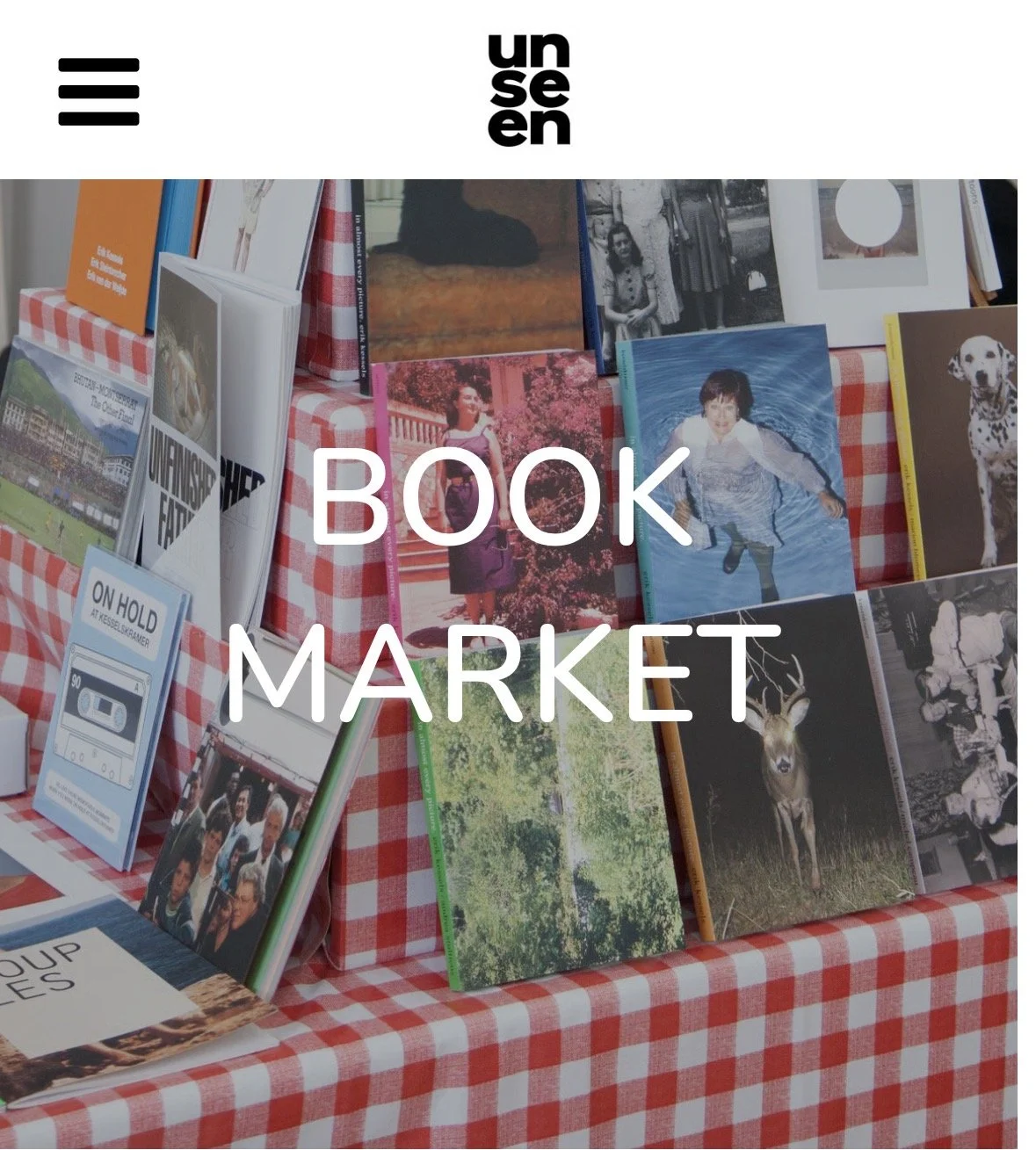
Copies of The Street Becomes are available at the Unseen Book Market this week at the Nederlands Photo Museum, Rotterdam, where Meteoro Editions has a stand.
Saved by the bell
I arrived a few minutes early and sat on a bench on the ground floor, just around the staircase that leads to the second floor classrooms.
Occasionally, someone would come by the corridor and nod or give me a formal greeting. Mostly, I waited for the rumor of doors opening and kids stepping out of rooms.
When the sound did eventually come, it was like a levy breaking and a rush of running feet, loud voices, jostling bodies and peals of laughter poured down the stairs. Olin ran by looking straight ahead and without seeing me. Luca came down a bit later and saw me before I noticed him.
To think kids experience these waves of joy and release every day when school lets out! I had completely forgotten what that looked, sounded and felt like.
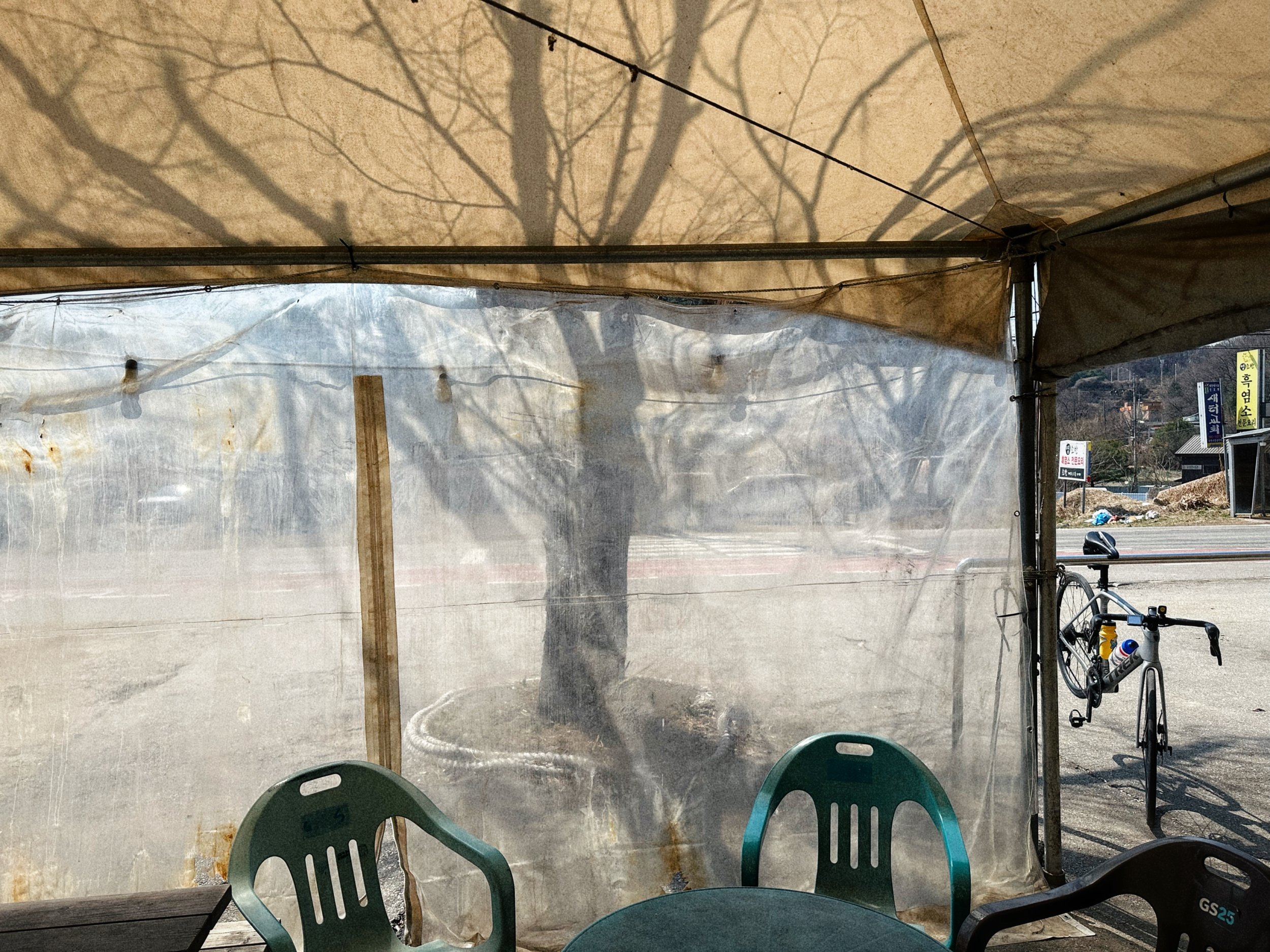
At this time in my life, joy is more of a quiet thing: to step out with HRM and explore a new neighborhood, or sit with a good book, to share a cigar and conversation, to rest my body midway through a long bicycle ride, somewhere where other riders like to gather.
Virgilio
When Spring comes around and it’s time to get dirt under my fingernails again, I can’t help but think of him.
Virgilio. He was the salt of the earth.
He would work for us once a week. He always looked the same: a woolen Irish cap, a clean but threadbare button down cotton shirt and broadcloth trousers tucked into heavy rubber boots.
Every Saturday morning, I would patiently wait for his arrival. When Virgilio rang our doorbell, I would come out straightaway to greet him. His face would open up in a smile. Silently, he would set out his tools, roll up his sleeves and begin to work.
I would follow him around all morning as he dug out the weeds, pruned the bushes and trees and washed my father’s car. Occasionally, he would take a break, wipe his face with a handkerchief and sit in the shade with me.
He would then tell me a short fable of Tío Coyote and Tío Conejo, the coyote and the rabbit. Every one of these tales had a moral to it. My appetite for them was insatiable and sometimes Virgilio had to improvise and make them up as he went along.
After a long illness, Virgilio passed away in 2003. I visited him one final time, when he was already bed-ridden and barely holding on.
Every time Spring comes around I remember Virgilio. And I can feel him smiling down on me as I walk into the garden with my tools ready and cap on my head.
La Factura
Ya una semana de vuelta en Corea y sigo pensando en mi Guate.
Subirme nuevamente a la cicle me confirma que el cuerpo también está pasándome la factura de varias semanas de viaje:
Atole, rellenitos, tacos, rosa en leche, tostadas, chuchitos, chiles rellenos, tamales, champurradas, dulces típicos de Doña María, ceviche de pescado, ceviche de camarón, Gallos y Cabros, churrasquito, pepián, chirmol, chile cobanero, tortillas de maíz azul recién hechas, dobladas, mixtas, rellenitos de plátano, enchiladas de mole, longaniza, guacamole, mojarra frita, pollo al horno, lengua en salsa roja, mangos, anonas, piña, papaya, maracuyá, helado de ron con pasas, ron, whiskey, tabaco.
Cuando podré volver nuevamente? Ni idea…
Pero los buenos recuerdos me van a ayudar a sonreír y aguardar pacientemente hasta que llegue el día.
Mom
Una foto entre tantas otras. Un día entre otros tantos. Un momento ordinario como cualquiera de los que vivimos a diario. Pero contigo.
Que no daría por abrazarte hoy y celebrar juntos tu cumpleaños.
Padre Kim
It is Sunday morning. Local families are coming in to attend mass. An old man dressed in grey trousers, white button down shirt and a black jacket with ornamental embroidered lapels is flanked by two younger women. As they are about to enter, I greet them and ask for the name of the town. “San Miguel Escobar”, he says. “Where are you visiting from? You speak very good Spanish for an American”. “Actually, like yourself, I’m Guatemalan. But my family and I are visiting from Korea.” “Korea! Our priest is Korean. He speaks with a funny accent you know, even though he’s been here for many years”.
***
I return to the Church a few days later. It happens to be Ash Wednesday. Mass is about to start. Padre “Pablito” Kim walks out to the pulpit in a floor-length flowing white robe. His words are Spanish but his intonation and rhythm Korean. Padre Kim is a tall man in his early 40s, slim with close-cropped hair.
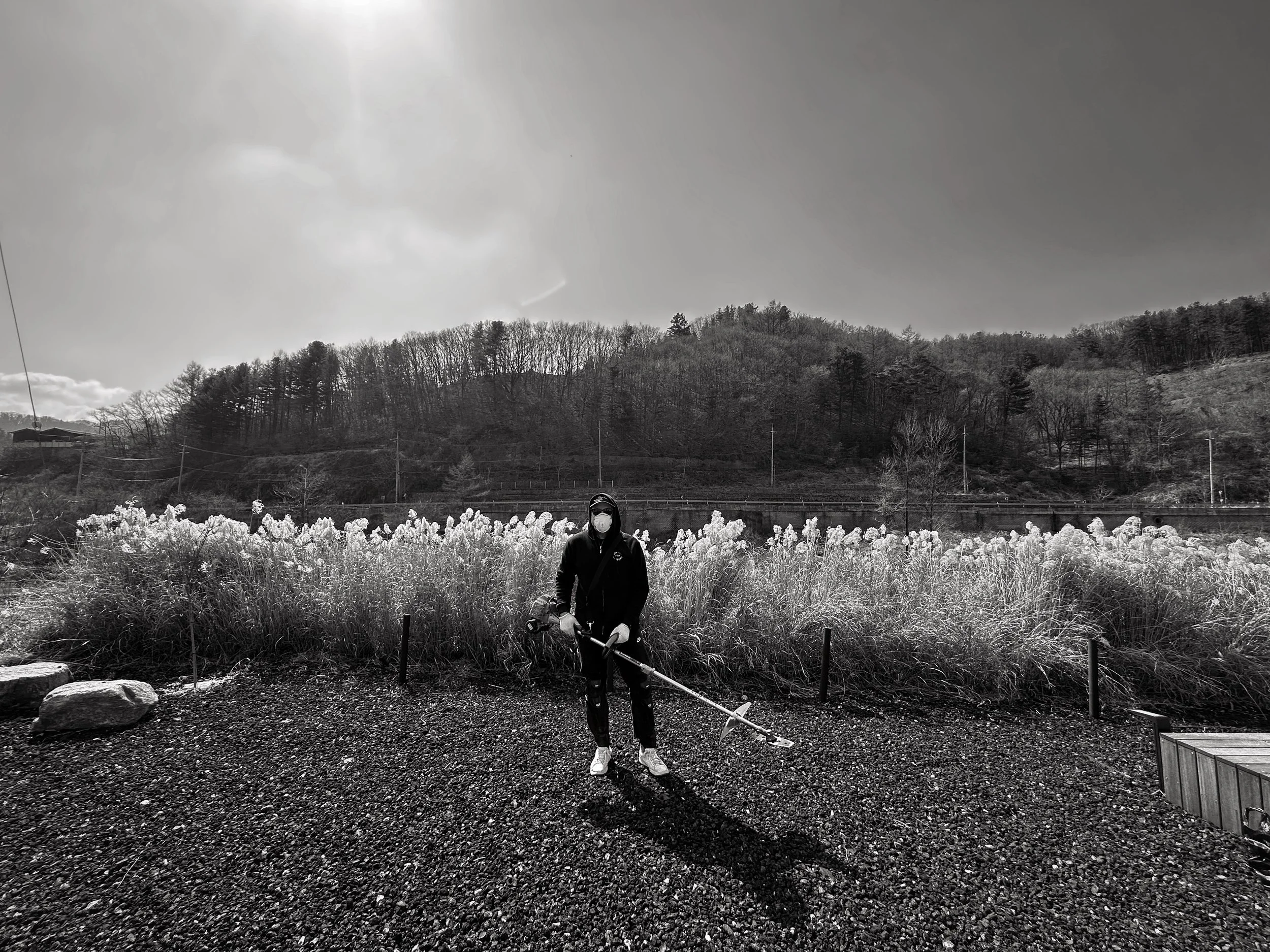
I walk back to the Administrative Office and talk to the secretary on duty. I learn that Padre Kim is the third successive Korean priest of the Parroquia San Miguel Escobar.
Overwhelmed by curiosity, the following morning I am back at the Church to meet Padre Kim. I wait for fifteen minutes and then he joins me in the Office. The previous day he had officiated mass six separate times and his face looks creased and drained of color. I offer to buy him a cup of coffee. Politely and firmly he declines, adding he has a busy morning.
Nevertheless, we begin talking, alternating between Korean and Spanish. An hour later we are still standing in the same spot. I ask if I can make a quick portrait of him. After I do, we sit together on a bench and talk some more.
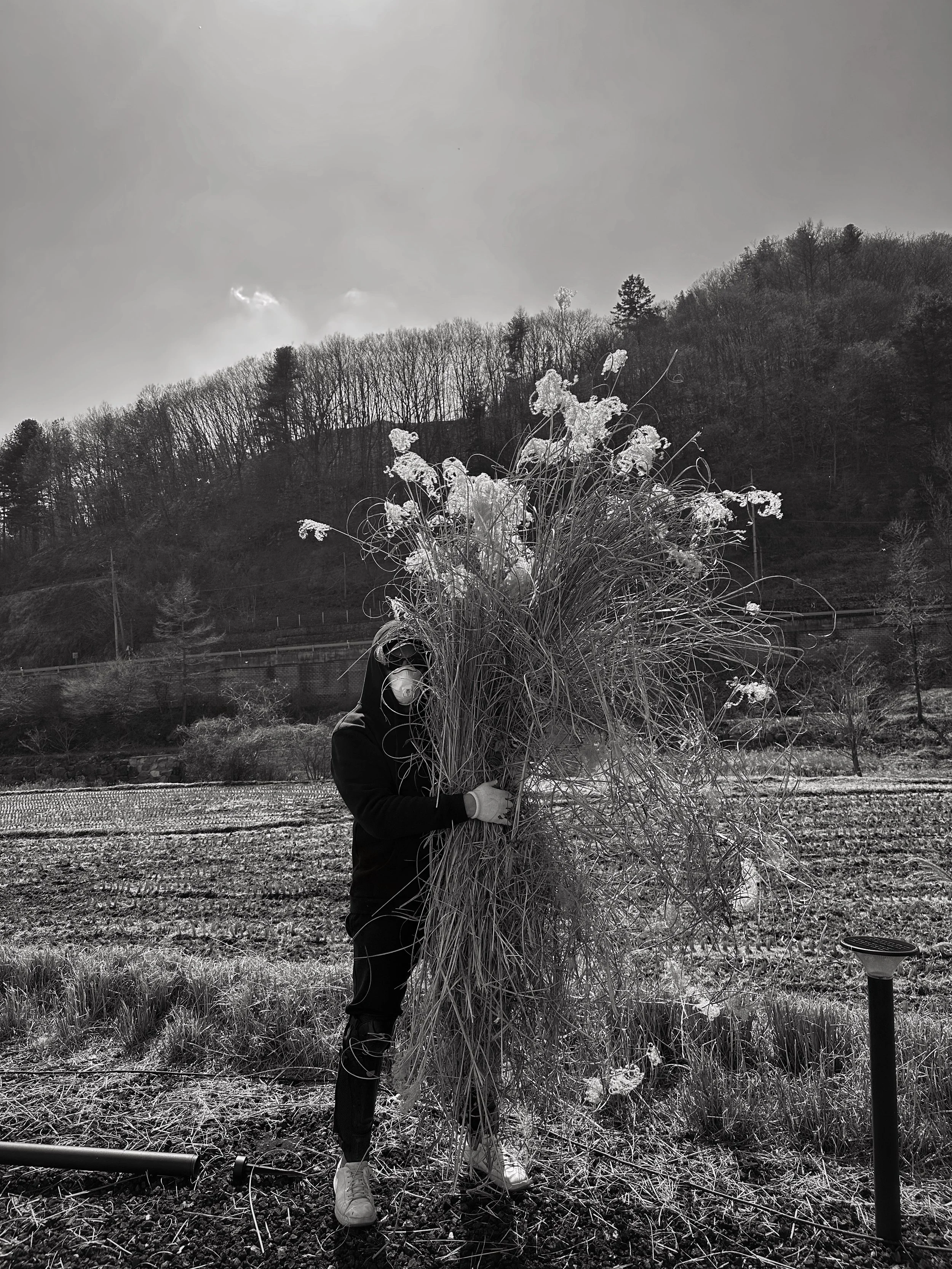
His reticence and reserved tone are gone now. And we sit side by side, like old friends.
Scorpion
I am about to shower when Hye-Ryoung runs into the house, breathless, and tells me the boys found a scorpion in the garden.
We dash out to take a closer look and make sure the kids keep their distance.
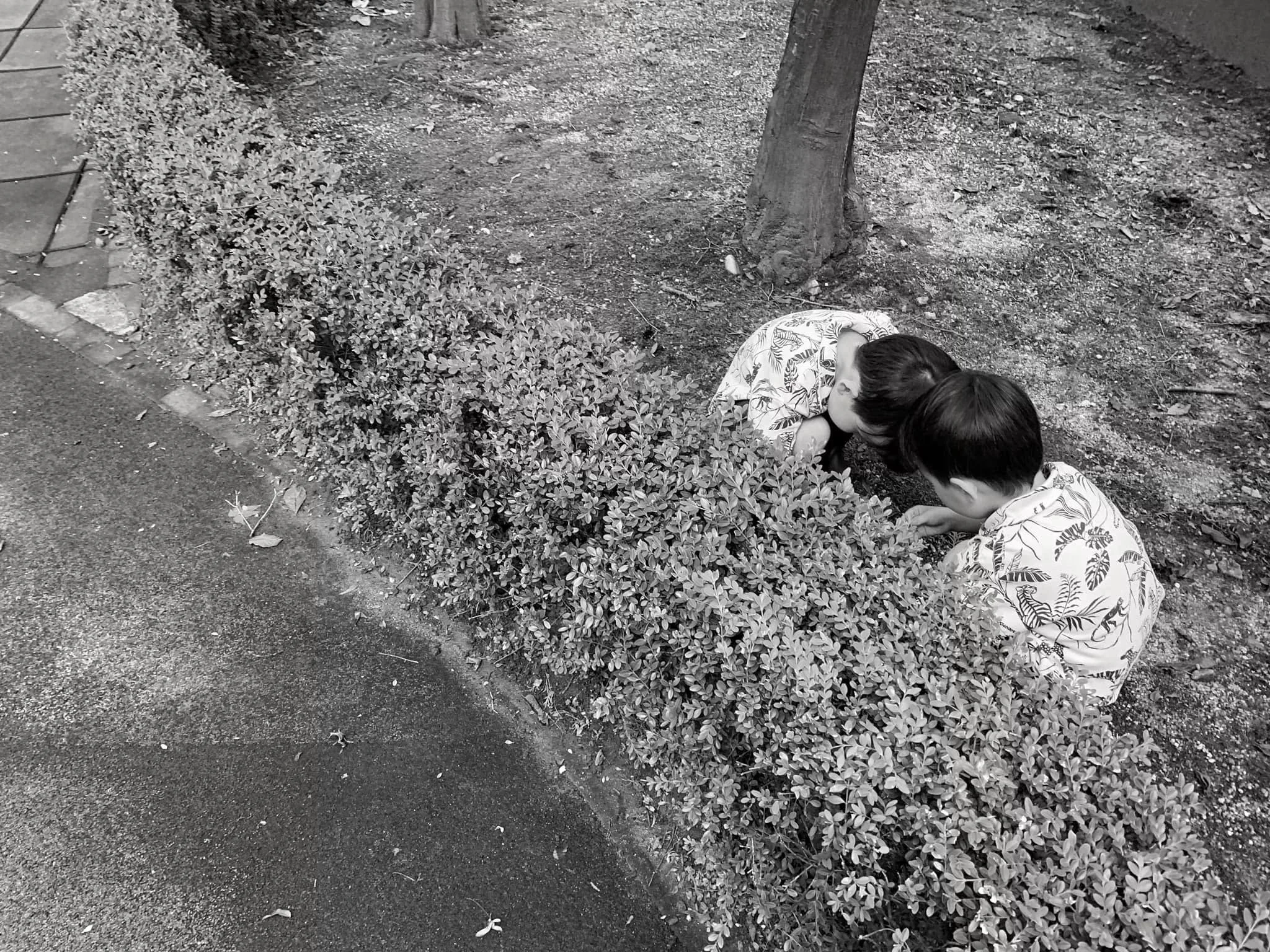
However, Olin and Luca know that whip scorpions - such as the one they found - are tailless and not venomous. Although they are able to spray an irritant mist when cornered, they tell us there is no reason to be afraid.
Still, as I come closer, they both yell at me to stop, afraid that I will kill the scorpion instead of letting them trap it in a cage.
Guatemala es
Guatemala es… bajarse del taxi con una Gallo a medio camino. Feliz Día del Cariño y… salucita pués 🍻
Iximché
Iximché, ancient capital city of the Kaqchikel people is not only a splendid archeological site. It is also a living, sacred space which continues to serve as a site for pilgrimage and ritual.
During our visit today I approached a woman dressed in a beautiful huipil and asked her if she could recount for Luca and Olin the Popol Vuh story of Hunahpú and Ixbalanqué the heroic twins who descend to the netherworld to avenge their father and defeat the Lords of Xibalbá. Thereafter the twins ascend to the sky, becoming the Sun (Hunahpú) and the Moon (Ixbalanqué).
When she was done recounting the tale she reached into her bag and brought out two shiny coins. She explained to me that twins should always be honored, preferably with an offering of fruit or food but failing that with money. She also confided quietly to me that twins have the power to command ants and other insects and it’s always best to stay in their good graces.
City of Glass
With me, it’s always been a point of pride to keep current with literary trends, those writers and works of fiction and poetry that set the world ablaze.
However, to re-read volumes from my collection of books is strangely comforting: it reminds me of who I was before I immigrated to a country where my sense of identity became stranded in a morass of - to me - unreadable texts.
City of Glass, the first installment of Auster’s New York Trilogy, is narrated by Quinn, who writes detective stories under the pen name William Wilson.
Late one night, the telephone rings in his apartment and a stranger’s voice asks for Paul Auster. Calls repeat for several nights. The stranger insists on speaking to Auster and finally Quinn’s curiosity is piqued and he decides to impersonate him. Thus he embarks on a quest more mysterious than any William Wilson ever crafted for his audience.
I bought my copy of Auster’s trilogy secondhand during my grad school years, when I was down and out in New York, sharing a small apartment on Avenue A with three other roommates.
I remember standing in the bookstore, holding the book in my hands, frowning as I flipped through the pages and seeing there was some underlining of passages in blue ink and sometimes notes on the margins, which is something I never allow myself to do out of respect for my books.
However, I have to admit that this particular reader was so subtle and astute in her observations that her dialogue with the text feels almost like a fourth voice, dreamt up by Auster to create yet another mirror to disorient the reader in his maze of voices and images.
Return to Taean
The sun rises, the sun sets. A day goes by and then another. As parents, we mark the time by their smiles. And sometimes, by their tears as well.
Today, I spent hours on the road driving. My thoughts circled back to this, our first year living in Seojong, and the many experiences we’ve had in this new chapter.
But also, the memory of our autumn trip to Taean was particularly vivid and present. Especially the night we waited till 10PM for the waterline to recede at low tide so we could venture out for crab hunting - all in pitch darkness.
***
Later this afternoon, when I was done with work, I went to pick up the kids; they surprised me by suddenly saying they would like to return to Taean this winter.
I hope they will treasure such memories all their lives. Because as the years go by, that’s ultimately what we hold onto: the love, the connection, the experiences we shared with each other.
***
To everyone who is reading these words, I wish you the very best in 2026.
Youthful Vengeance
Last time I had seen David Choi we were standing on a street corner in Harlem, a few years after he graduated the Photography program at New York Film Academy where I was his instructor.
I remember liking David right away when we first met. He was equal parts interested in writing and image making. David had a direct, unapologetic way of speaking. He was also savvy and street smart, with an edge about him. I knew all of these traits would serve him well in NYC. As that first semester drew to a close, I began to see other qualities in him as well: thoughtfulness, generosity and a fierce loyalty to his friends.
Time continued to move forward and somehow we managed to stay in touch as David assisted photographers in all the world’s fashion capitals: New York, London, Paris and then shot compelling editorial portraits in his own right.
Fast forward to this week and a happy reunion in Seoul. We sat down to coffee, I blinked and when I looked up again, three hours had gone by and I had to hustle back home to pick up the kids from school.
These days, David is based in Toronto where he opened “Youthful Vengeance” a café/gallery which became a hub for artists and creatives and now functions as a non-profit with a mission to empower emerging artists.
When I hear the stories of former students like David, they make me feel grateful I spent fifteen years of my life as an educator.
Photography SeMA New Acquisition
Our Gwanghapdan art collective is celebrating an important acquisition this week! Photography Seoul Museum of Art has an impressive and beautifully curated research library which will now hold a complete set of all the Zines and Playlists we have published to date. Additionally, the museum also acquired a robust selection of Gwanghapdan member catalogs and monographs.
In my case, that includes my monographs YONKEROS (La Fabrica Editorial, Madrid , 2013) and The Street Becomes (Meteoro Editions, Amsterdam, 2021). Additionally, two books co-authored with my father Mario Permuth and my younger brother Igal Permuth: Re-trato de familia (MK Ediciones, Guatemala, 2004) and Tarzan Lopez (MK Ediciones, Guatemala, 2007).
“Spectrum” exhibition at SVA Gallery Seoul
The Seoul Photo Alumni chapter of my Alma Matter SVA is having a group exhibition opening this coming Saturday 12/20 at 5PM.
I am a two-time grad of SVA, first from MFA Photo and Related Media, Class of 1994, and then again from MPS Digital Photography, Class of 2009. I also went on to serve as Faculty of MPS Digital Photography for ten amazing years.
And on a personal note: HRM and I met as students at SVA. We shared wall space for our grad exhibition and it’s so nice to do it again, this time in Seoul.
So looking forward to this!
Spectrum
SVA Seoul Gallery (서울시 종로구 율곡로3길73 (소격동 152)
2025.12.20-12.30
Opening : 12.20(토) 5pm
갤러리 오픈 시간 : 수-일, 오전 10시-오후 6시 (월-화, 공휴일 휴관 (크리스마스 휴관))
Jaewoo
Jaewoo and I met a couple years back, when he was selling bicycles at TREK Gwangjin. Eventually he moved onto a new job and then surprised me by attending my Opening Night at iseurrat Artroom, with a gift of a bottle of Wild Turkey under his arm.
A few weeks later, Jaewoo bought himself a Sony camera and started photographing with a deeper intention. Then he switched jobs once again and is now currently selling Hasselblad cameras at a top store in Seoul.
Jaewoo, who is about half my age, came out to visit me at home a couple of weeks ago. He brought along a pair of Cohiba “Lanceros” and we spent a leisurely Sunday afternoon savoring them, drinking bourbon, talking photography and taking a few portraits of each other with a Hasselblad loaded with TMax 100 film.
Unlikely friends? Maybe.
Does that matter?
Not at all ~